Roof Maintenance Company in The Woodlands
Roof maintenance in The Woodlands helps your roof last as long as it should. Many responsible people keep up with routine upkeep in their lives. They get biannual teeth cleanings, service their vehicles at the proper intervals and schedule HVAC maintenance. However, they often neglect roof maintenance. Many homeowners are not even aware that roof maintenance is a thing they should be worrying about. Roofs are often out of sight and out of mind, so most people don’t think about them on a regular basis.
The truth is that roof maintenance can be beneficial. That’s not just because it allows roofers to look for problems and charge you for roof repairs. The roof maintenance process has a number of facets. Many of them can prevent future property damage while also extending the life of your roof.
How Often Should You Schedule Roof Maintenance?
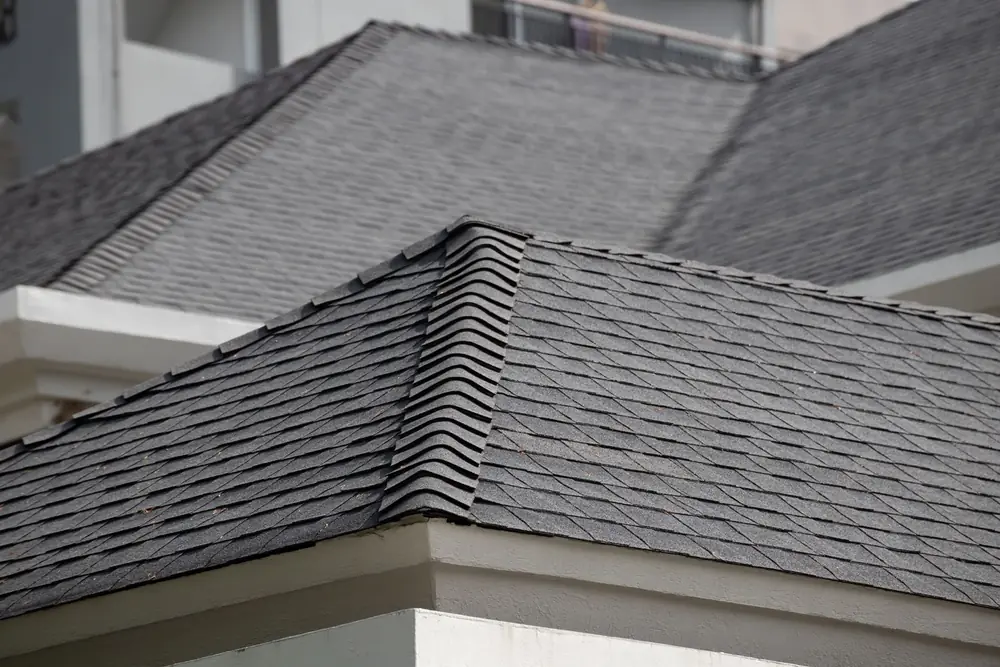
Despite what some roofers will tell you, scheduling annual roof inspections might not be necessary for your roof. The optimal frequency for your home really depends on the current state of your roof. If you’ve just had your roof replaced, you can likely get away with an inspection every two to three years. For an older roof that has leaked in the past, an annual inspection might serve your home better. If you have an especially durable material like tile or metal roofing, you likely don’t need roof maintenance every year.
However, putting off roof maintenance for too long isn’t in the best interest of your home or your roofing investment. Roof maintenance is more than just a simple inspection. It can prolong the life of your roof and make leaks or premature damage less likely.
Roof maintenance services in The Woodlands
Roof Inspections and Assessments
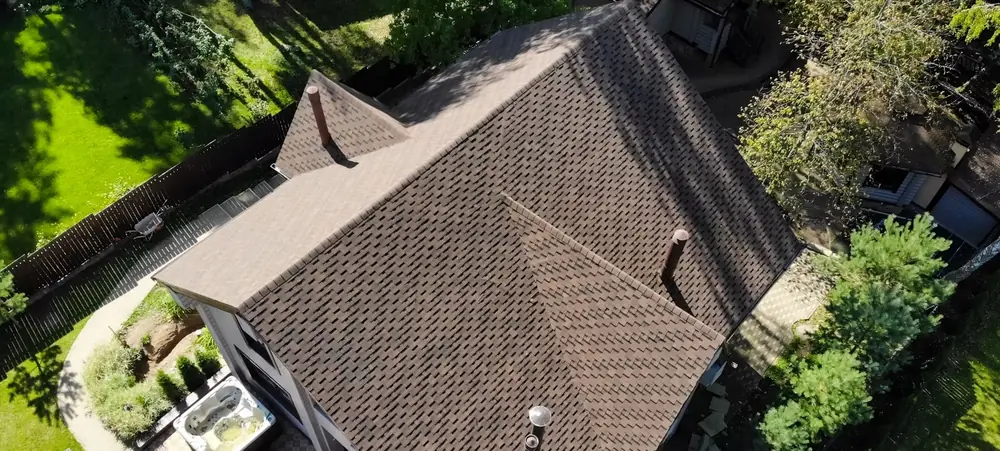
The average homeowner often can’t tell when their roof is due for replacement. That’s not just because they’re not professional roofers. It’s also because it’s hard to see and inspect a roof’s condition from the ground. A roofer should check for loose, missing or damaged shingles, signs of leaks and damaged flashing. In addition, they should assess the remaining lifespan of your roof.
Knowing how much longer you can expect your roof to last allows you to be proactive with planning. It can also help ensure that leaks or damage never force a hasty roof replacement decision on you. That way, you always have the chance to fully research your options.
Roof Cleaning
How much cleaning your roof needs depends on its design and the roofing materials you have installed. For example, we install CertainTeed shingles with a higher copper content during our roof replacements. We choose them because they are durable, have a great wind rating and are highly resistant to black algae streaking. Not all asphalt shingles boast this same resistance, so your roof may need cleaning at some point.
A particularly complex roof with hard-to-see valleys or other features may retain a lot of leaves, twigs and other detritus. Debris buildup can compromise your roof’s ability to drain rainwater effectively. It can also significantly increase the risk of leaks.
Why to avoid DIY roof cleaning
Homeowners should typically avoid DIY cleaning. Climbing onto your roof to scrub it with a sponge and detergent risks life and limb. It can also be counterproductive. Scrubbing could strip off the ceramic or mineral granules on your shingles. This can compromise the integrity or stability of the shingles and accelerate wear. It’s best to leave this cleaning to professionals with the tools and experience to do it right (and safely).
Sealing and Waterproofing
Not every roofing material necessarily requires periodic sealing and waterproofing. It’s most important for homeowners with flat roofs, tile roofs and occasionally for metal roofs. Metal roofs are inherently water resistant. However, penetration points, including seams and fasteners, can benefit from periodic sealant application to ensure continued water tightness. This can be especially important due to the material’s longevity. A metal roof may be able to last for 50-plus years. But those points of weakness can potentially become problematic after several decades without sealing.
Similarly, tile roofs are naturally water resistant. Even so, the underlayment, end caps and other areas of potential water intrusion may benefit from periodic sealing and waterproofing.
Flashing Inspections
Flashing is the material that seals penetrations in roofs, such as around chimneys, skylights and roof vents. It’s vital for maintaining the overall waterproof integrity of your roof. Not all flashing is equal. In fact, it’s not uncommon for flashing and sealing to fail before your shingles or other roofing materials wear out. During maintenance, your roofer will check all flashing and repair damaged or worn flashing to prevent future leaks.
Checking Ventilation
Attic ventilation and moisture
Homeowners often don’t think much about attic ventilation because it doesn’t affect their day-to-day life in any obvious way. Preventing moisture buildup in attics is important because it helps prevent mold. Also, excessive moisture can potentially accelerate roof wear. During a roof inspection, your roofer will check that vents are still clear and functioning properly. They will also make sure no pests are hiding there, looking to make a home in your attic.
Documentation
There’s more to roof maintenance than just a basic inspection. However, a roof checkup is still an important part of the process. Your roofer should take pictures of potential problem spots. They should then walk you through what they’re seeing and what those signs mean for your roof’s health. These periodic professional updates can provide clarity and peace of mind. They can also help ensure that leaks, missing shingles or other undiscovered roofing damage never blindside you in the future.
Related: Roof coating · Roof vents · Roof repair
Credentials: CertainTeed SELECT ShingleMaster™ · BBB Accredited Business · Licensed member of the Roofing Contractors Association of Texas